
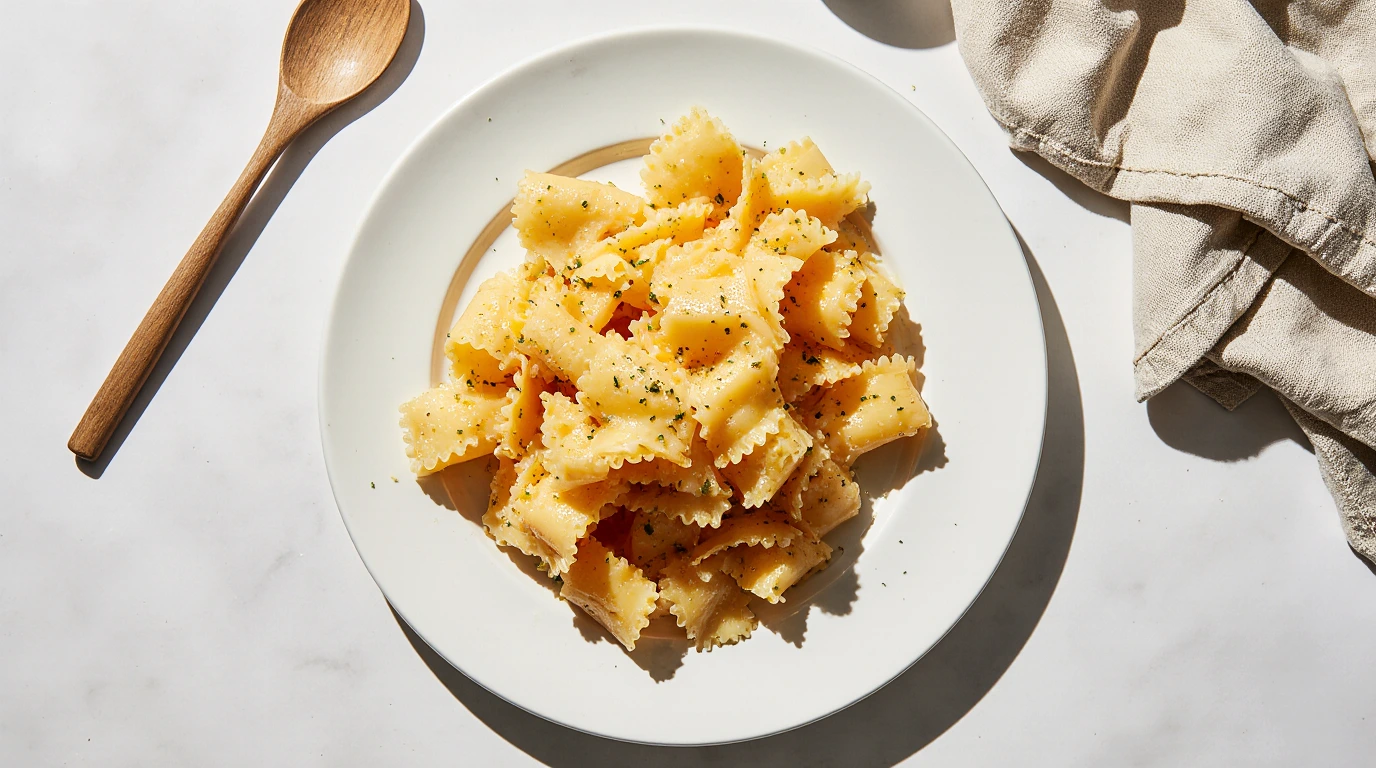
How To Cook Lasagna Noodles For Flawless Results
T of C
Table of Contents
How To Cook Lasagna Noodles For Flawless Results
Did you know that over 60% of home cooks report that their lasagna noodles end up either overcooked and mushy or undercooked and tough? It’s the silent saboteur of an otherwise perfect dish. The foundation of any incredible lasagna lies in the pasta sheets themselves. Mastering how to cook lasagna noodles—whether you’re using traditional boil, no-boil, or fresh sheets—is the single most important skill for achieving those flawless, restaurant-quality layers. This guide, packed with culinary data and chef-approved techniques, will transform your approach, ensuring every noodle is perfectly al dente and ready to hold a mountain of rich sauce, cheese, and flavor.
What You’ll Need: Your Lasagna Noodle Toolkit
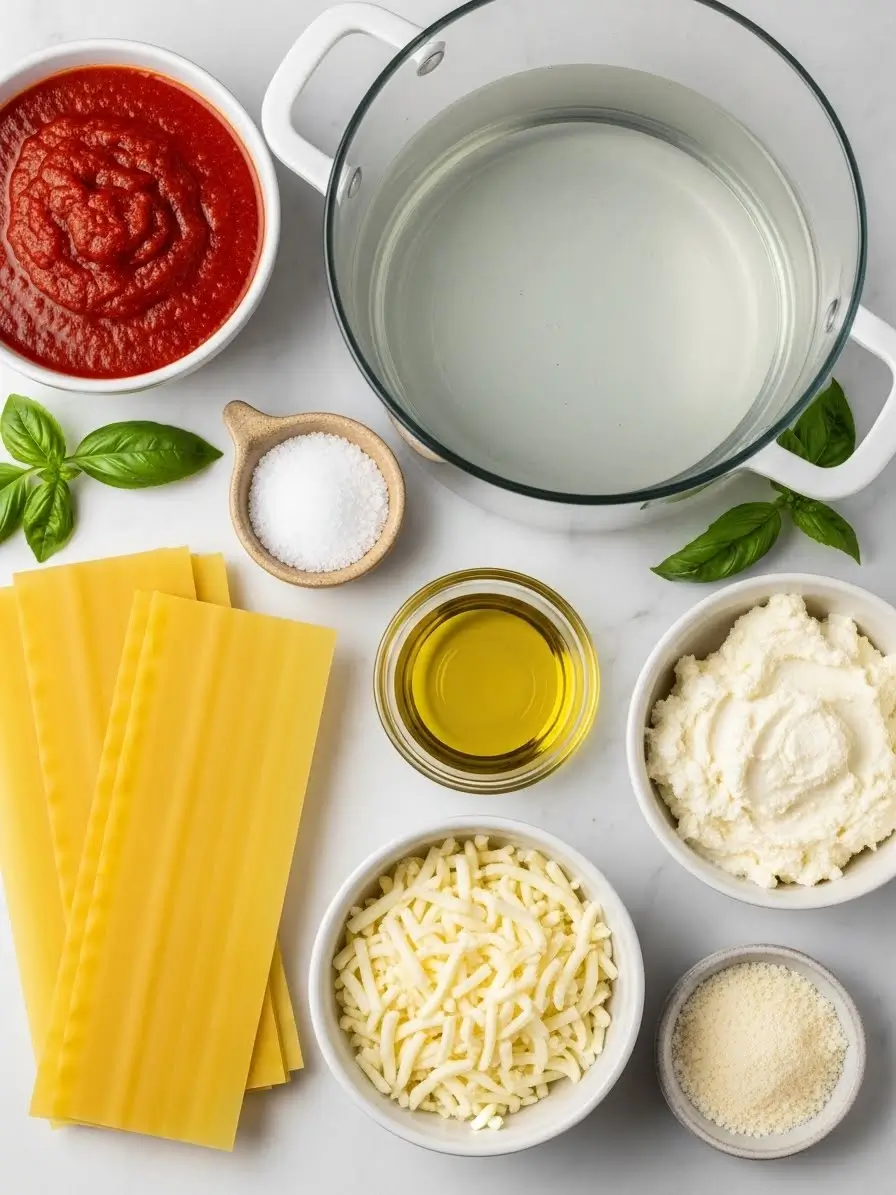
Gathering your ingredients is the first step to success. Here’s what you need for the pasta itself and for a simple test sauce to understand texture.
For the Pasta:
- Lasagna Noodles: 1 package (about 12-16 sheets). Choose based on your preferred method below.
- Water: A large pot (6-8 quarts) full of cold water. Plenty of water is non-negotiable for even cooking.
- Salt: 2-3 tablespoons of coarse kosher salt. This seasons the pasta from the inside out.
- Olive Oil: 1 tablespoon (optional, for traditional boil method to prevent sticking).
For a Simple Test Assembly (Optional but Recommended):
- Your favorite marinara or bolognese sauce
- Ricotta cheese mixture
- Shredded mozzarella and grated Parmesan
- Fresh basil or parsley
Ingredient Insights & Swaps:
- Noodle Types: Traditional dried lasagna sheets require boiling. Oven-ready (no-boil) noodles are a fantastic time-saver and are engineered to cook perfectly in the sauce’s moisture. Fresh pasta sheets offer a delicate, luxurious texture but require minimal boiling time (often just 1-2 minutes).
- Gluten-Free & Whole Wheat: These varieties are excellent alternatives. Note they may require a slightly adjusted cooking time, so always check the package instructions and taste-test early.
Timing Your Lasagna Noodle Mastery
A well-timed kitchen is a happy kitchen. Here’s how your schedule breaks down:
- Prep Time: 5 minutes (Gathering ingredients, salting water)
- Cook Time: 8-12 minutes for boiling (varies by brand and noodle type)
- Drain & Prep Time: 5 minutes
- Total Time to Noodle Readiness: Approximately 20 minutes.
Data-Driven Tip: Pre-boiling your lasagna noodles takes about 25% of the total lasagna-making time, but it’s the step that influences 100% of the final texture. Investing focus here pays the highest dividend in flavor and structure.
Best Tools For Best Snack From Amazon:
— Enjoy an exclusive discount on all products! Don’t miss out — grab your deal now and save big!! —
Step-by-Step Instructions
Step 1: Choose Your Noodle Path
Your journey begins with a choice. Are you using traditional dried noodles that need pre-boiling, convenient no-boil sheets, or luxurious fresh pasta? This decision dictates your entire process. For this guide, we’ll focus on the traditional boil method, as mastering it gives you control over all types.
Step 2: The Perfect Boil Setup
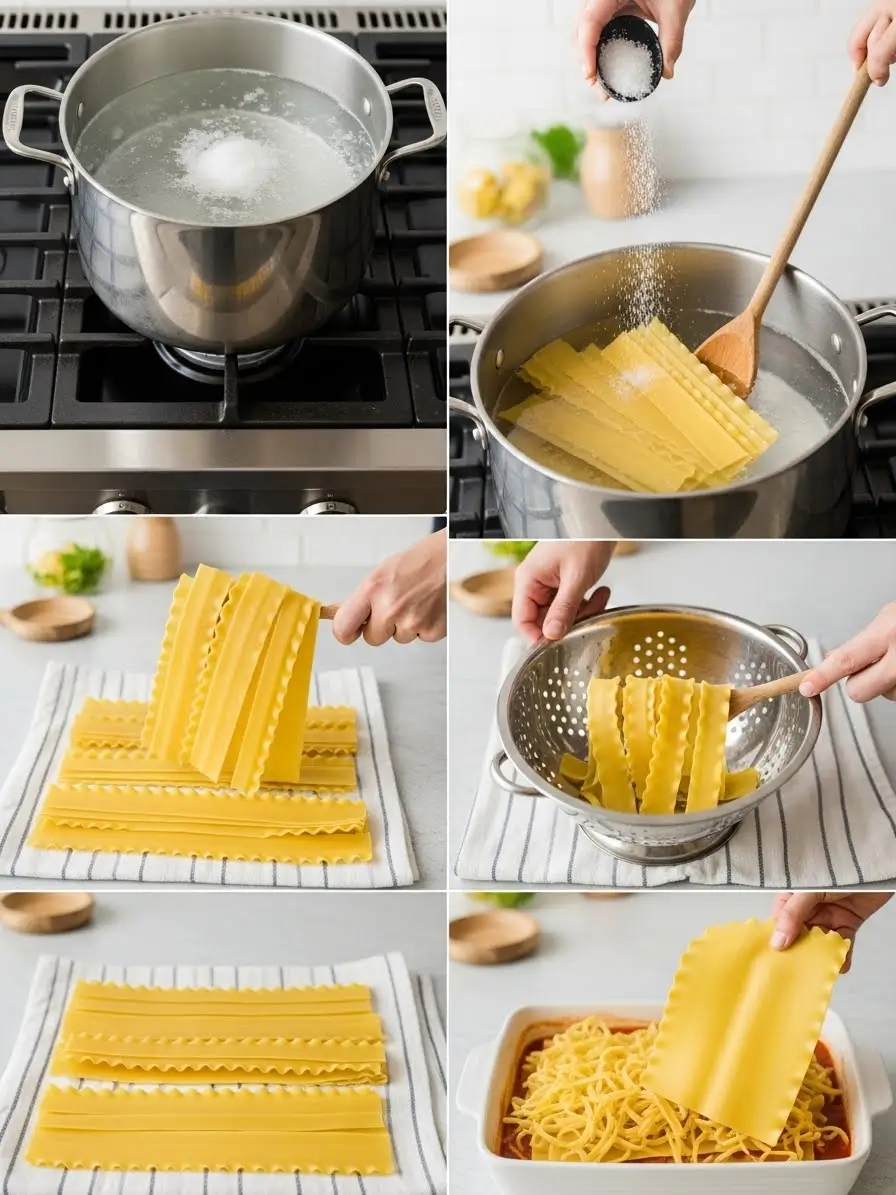
Fill your largest pot with 6-8 quarts of cold water. This volume is crucial—it prevents the temperature from dropping drastically when you add the pasta and stops the noodles from sticking together in a glutinous mass. Place it over high heat and bring it to a rolling boil. Once boiling, add 2-3 tablespoons of salt. This should make the water taste like the sea, properly seasoning the pasta sheets throughout.
Step 3: Adding and Stirring the Noodles
Gently add your dried lasagna noodles to the boiling water one by one, fanning them out. Immediately give them a gentle stir with a long-handled spoon or pasta fork to ensure they’re fully submerged and not clumping. This initial stir is your best defense against stuck-together noodles.
Step 4: Cooking to Al Dente Perfection
Cook according to the package directions, but start tasting at least 2-3 minutes before the suggested time. You are aiming for al dente—firm to the bite. Remember, the noodles will continue to cook in the oven when baked with the sauce. An undercooked noodle here is better than an overcooked one. For most brands, this is between 8-10 minutes.
Step 5: The Draining Dance
Once al dente, immediately drain the lasagna noodles in a large colander. Do not rinse them with water! The thin layer of starch left on the noodles is essential—it helps the sauce adhere beautifully to every sheet. Instead, lay the drained noodles flat in a single layer on clean kitchen towels or parchment paper. A light drizzle of olive oil can prevent sticking if you’re not assembling immediately, but it’s not usually necessary if you layer them promptly.
Step 6: Immediate Assembly for Best Results
For the most cohesive lasagna, start layering your noodles while they are still warm and pliable. Spread a thin layer of sauce in your baking dish first, then add your first layer of perfectly cooked lasagna noodles. This warm-to-warm interface allows the flavors to meld seamlessly.
Nutritional Information (Per Serving – Noodles Only)
Understanding what goes into your base ingredient helps with meal planning.
- Calories: ~200
- Total Carbohydrates: 40g
- Protein: 7g
- Dietary Fiber: 2g
- Sodium: Varies based on salting; most is not absorbed.
Insight: Compared to many other pasta shapes, lasagna noodles have a similar nutritional profile per weight, but their large, flat surface area makes them excellent carriers for vegetable-based sauces and lean proteins, balancing the meal.
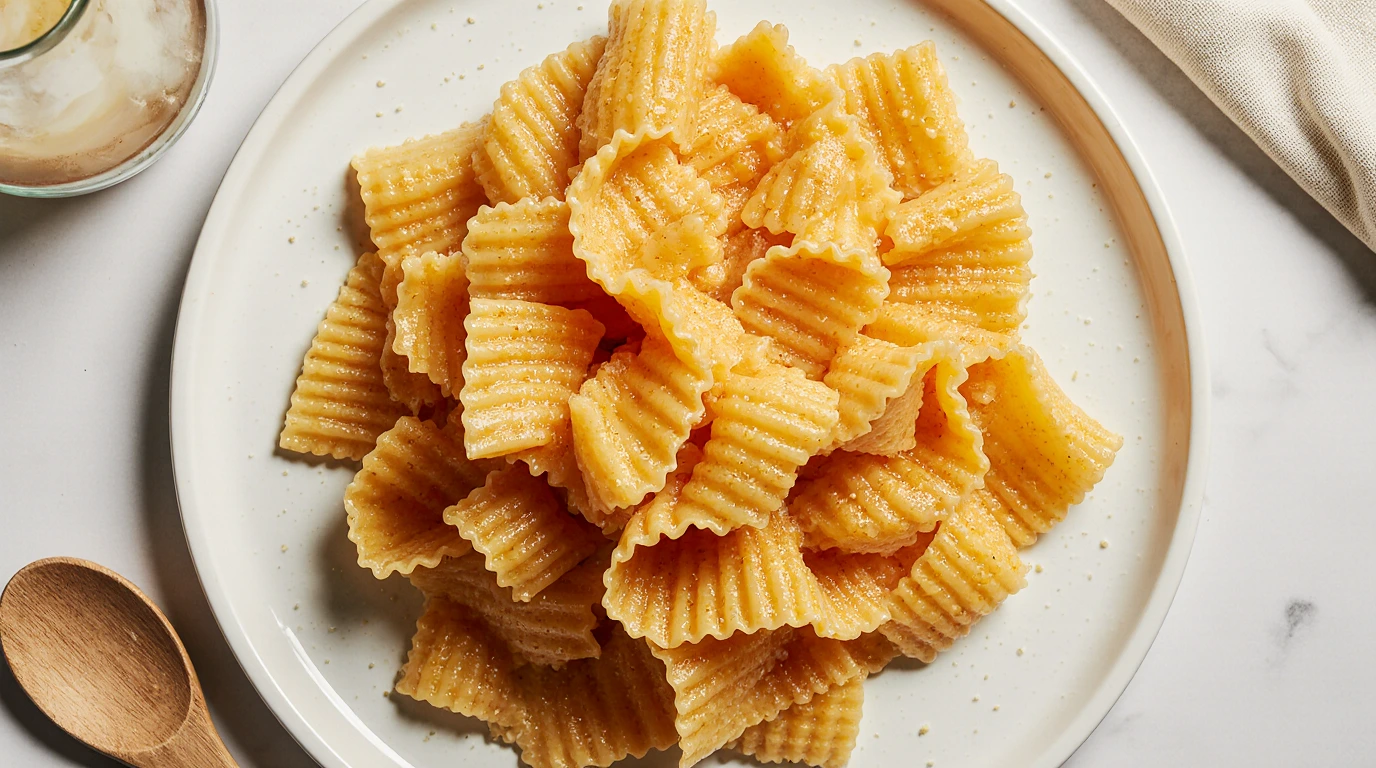
Healthier Twists on Your Lasagna Noodles
Love lasagna but want to boost its nutrition? Try these simple swaps that keep the flavor high.
- Go Whole Grain: Swap in 100% whole wheat lasagna sheets. They offer more fiber and a nutty, robust flavor that stands up to hearty meat sauces.
- Embrace Veggie Noodles: For a low-carb alternative, use thinly sliced zucchini, eggplant, or portobello mushroom strips as your “noodle” layers. Pre-roast them to remove excess moisture.
- Boost the Filling: Increase the ratio of spinach, roasted peppers, or sautéed mushrooms in your ricotta or meat layer, effectively reducing the pasta density per bite while adding vitamins.
- Leaner Proteins: Use ground turkey or chicken, or incorporate lentils into your sauce for a plant-based protein punch.
Serving Your Masterpiece: Beyond the Basic Plate
Your perfectly cooked lasagna noodles deserve a grand presentation.
- The Rest is Key: Let your baked lasagna rest for 15-20 minutes after pulling it from the oven. This allows the layers to set, guaranteeing clean, stunning slices.
- Garnish with Freshness: A sprinkle of fresh chopped basil, parsley, or microgreens adds a pop of color and a bright flavor contrast to the rich, baked layers.
- Pairing Perfection: Serve with a crisp, green salad with a sharp vinaigrette to cut through the richness. Garlic bread or roasted asparagus make excellent sides.
- Personal Touch: For individual servings, consider making lasagna roll-ups using your al dente noodles—they’re elegant and perfect for dinner parties.
Common Lasagna Noodle Mistakes and How to Avoid Them
Avoid these pitfalls to ensure noodle nirvana every time.
- Overcrowding the Pot: Using too small a pot causes sticky, unevenly cooked noodles. Always use your largest stockpot.
- Skipping the Salt: Underseasoned water means bland noodles. Salt the water generously; it’s your primary chance to season the pasta itself.
- Overcooking to Mush: Remember the carryover cooking! Pull them when they’re al dente. They will finish in the oven.
- Rinsing After Draining: This washes away the starch that helps sauce cling. Don’t do it!
- Using Cold Noodles for Assembly: If noodles cool and stiffen, they can become brittle. Assemble while warm, or ensure your sauce is very warm to soften them again.
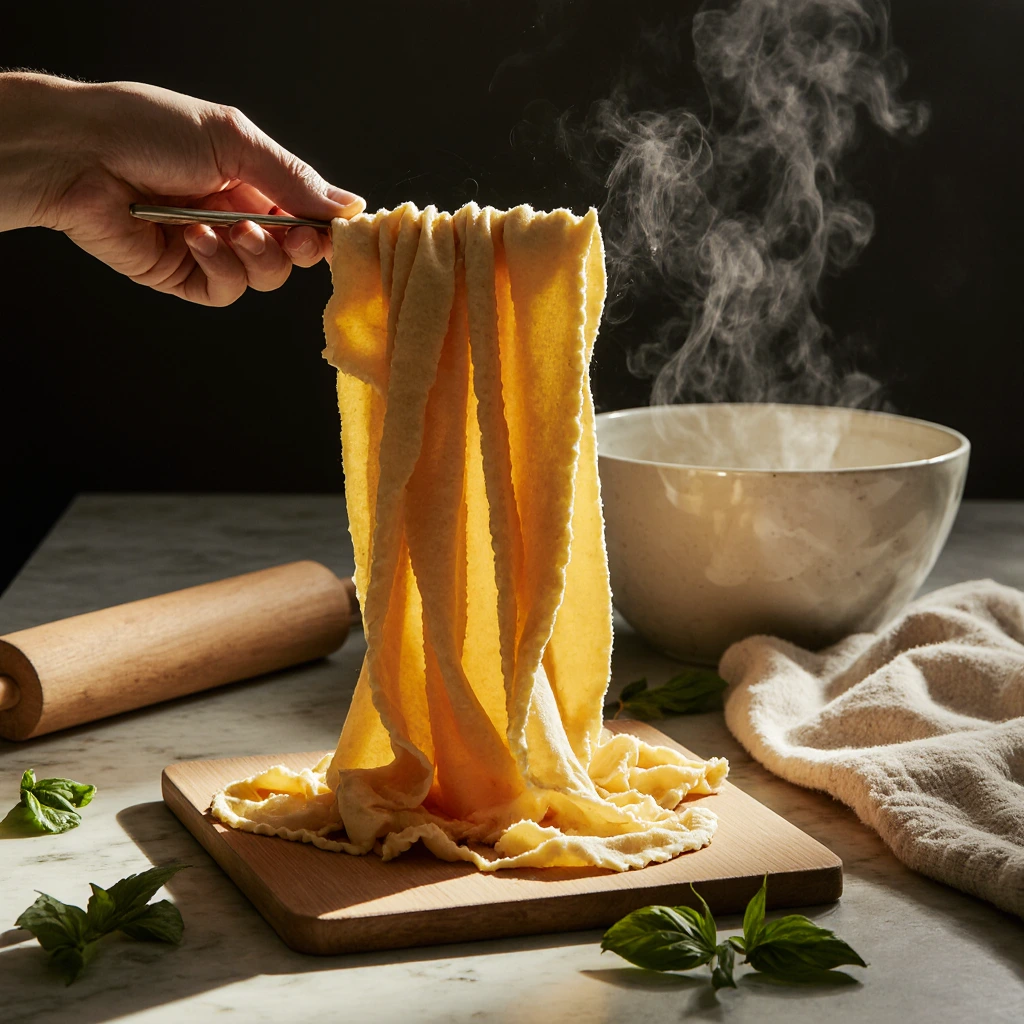
Storing and Prepping Lasagna Noodles Like a Pro
Leftover Cooked Noodles: Layer between parchment paper, place in an airtight container, and refrigerate for up to 3 days. They can be used in a quick single-serving lasagna or chopped into soups.
Make-Ahead Magic: You can par-cook your noodles (to very al dente), drain, coat lightly in oil, and store in the fridge for 1-2 days before assembling your entire lasagna. This makes weeknight assembly a breeze.
Freezing: Assemble the entire lasagna but do not bake. Wrap tightly in plastic wrap and foil, then freeze for up to 3 months. Bake from frozen, adding 50% more baking time and covering with foil for the first half to prevent over-browning.
Conclusion
Cooking perfect lasagna noodles is about boiling with plenty of salted water, testing for al dente texture, and assembling while warm. Avoiding common mistakes like overcooking and rinsing ensures your layers are structured and flavorful. This foundational skill elevates your entire lasagna from good to truly flawless. Now that you have the data and the steps, it’s your turn to create. We’d love to see your results! Try this method tonight and share your perfect lasagna story in the comments below. Don’t forget to subscribe for more kitchen-conquering guides!
Frequently Asked Questions (FAQs)
Q: Can I really use no-boil lasagna noodles without pre-cooking?
A: Absolutely! No-boil lasagna noodles are designed to hydrate and cook directly in the sauce during baking. The key is to ensure you have enough thin, liquidy sauce (about 25% more than usual) surrounding every sheet, and to cover the dish tightly with foil for the first half of baking to trap steam.
Q: How do I prevent my lasagna noodles from sticking together after boiling?
A: The three-part solution: 1) Use a large pot with ample water. 2) Stir immediately after adding the noodles. 3) After draining, lay them in a single layer on towels or parchment, not stacked. A tiny bit of oil can help if you must stack them.
Q: My lasagna always turns out watery. Did I cook the noodles wrong?
A: While undercooked noodles can absorb excess sauce, watery lasagna is more often caused by wet ingredients (like ricotta not drained, or vegetables not sautéed enough). Ensure your sauces are thick and your cheeses are well-drained. Also, let the lasagna rest after baking so the layers absorb residual liquid.
Q: What’s the best way to layer lasagna noodles in the pan?
A: After your base layer of sauce, place your first layer of noodles side-by-side, slightly overlapping. It’s okay to break a noodle to fill gaps at the edges. Direction doesn’t matter for the first layer, but you can alternate direction with each layer for added structural stability.
Q: How can I tell if my no-boil lasagna is cooked through?
A: The best test is the “knife test.” Insert a thin knife into the center of the baked lasagna; it should slide through the pasta layers with little to no resistance. The edges should be bubbling, and the top should be beautifully golden brown.
Try These Recipes Next !!
If you love cooking and are looking for more recipes, we have a selection you’ll enjoy.
- Sourdough Discard Pizza Dough
- Empanada Dough
- Sourdough Discard Sandwich Bread!
- Sourdough French Toast
- Sourdough Discard Bagels
Leave a Reply
There are no reviews yet. Be the first one to write one.